An appeal for funding and investment

Saving Sama race against time

Our son Sam is two, and he has a rare, progressive and fatal genetic disease. A gene therapy that could treat it at its source is ready for the next step — and needs funding now.

We are seeking donations and investment to take GHG-101, a gene therapy for Niemann-Pick Type C, to a first-in-human clinical trial within 18–24 months.

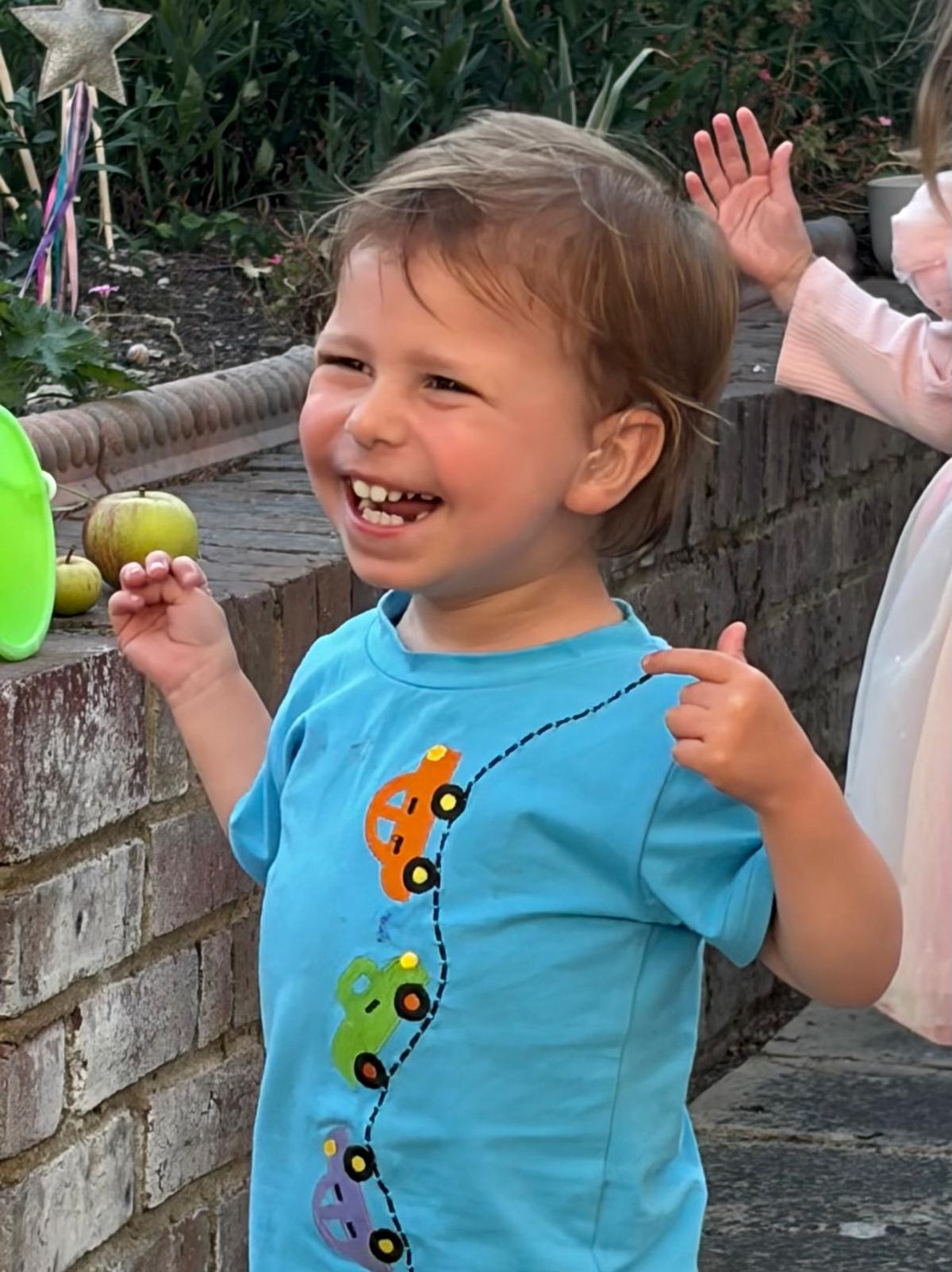
Sam, aged two, laughing in the garden in a bright blue T-shirt printed with cars.
Sam, aged two

The window of opportunity

Sam was diagnosed before his symptoms began. That accident of fate bought him time.

Niemann-Pick Type C usually goes undetected for years and is found only once neurological decline is under way. Sam's was caught early — which means a treatment reaching the clinic in the next two years could reach him before the damage starts.

Everything downstream depends on the first stretch of that line. The decision to fund this work sits in the next few months.

  1. Today

    Sam is two

    Chatty, inquisitive, full of life. Diagnosed in April 2026, before any neurological symptoms. Treatment can slow NPC, but nothing yet treats its genetic cause.

  2. 18–24 months

    A first-in-human trial

    GHG Therapeutics has a clear, defined pathway to take GHG-101 into a first-in-human clinical trial — the watershed a treatment must pass to become available at all.

  3. Teenage years

    When symptoms are expected

    His doctors' best estimate for Sam. Without a breakthrough, his development will begin to reverse: speech, swallowing, coordination, mobility, cognition.

The diagnosis

Until earlier this year, our lives were perfectly ordinary.

We are Rob and Buffy. We live in Buckinghamshire with our two children, Clara and Sam.

Then, in April, everything changed. Our two-year-old son was diagnosed with a rare genetic disease called Niemann-Pick Type C. A faulty gene causes cholesterol and other lipids to accumulate inside cells, progressively disrupting the nervous system. It affects around 1 in 100,000 people.

There is currently no cure. Treatments exist that can slow the disease, and Sam has begun treatment — but they do not tackle the underlying genetic cause.

Where onset occurs in children, the cognitive decline can resemble a form of childhood dementia, impairing speech, swallowing, coordination, mobility and cognitive function, ultimately leading to profound disability and premature death.

Sam is currently a typical two-year-old boy. But we know that, without a breakthrough, there will come a time when his development begins to reverse. We face the unbearable prospect of watching our beautiful boy become profoundly disabled, before his life is cut short by this cruel disease.
An extraordinary early warning

A remarkable chain of events led us to the diagnosis.

The kidney we regarded as one of the challenges Sam had been born with revealed itself to be a blessing in disguise: an early warning system.Rob and Buffy

  1. Sam was born with one kidney.Because of this, he has had routine scans since birth to make sure his kidney functions as it should.
  2. Before Christmas 2025, a scan picked something up.Entirely incidentally, it showed that he had an enlarged spleen.
  3. An enlarged spleen can be an early feature of NPC.Unknown to us at the time. The finding led to investigations at Great Ormond Street Hospital.
  4. April 2026: the diagnosis.Sam was diagnosed before developing any neurological symptoms — highly unusual for this disease.

It may have given us something incredibly precious: time. Not only for Sam, but a chance to help advance these efforts for every child and family affected by this disease, now and in the future.

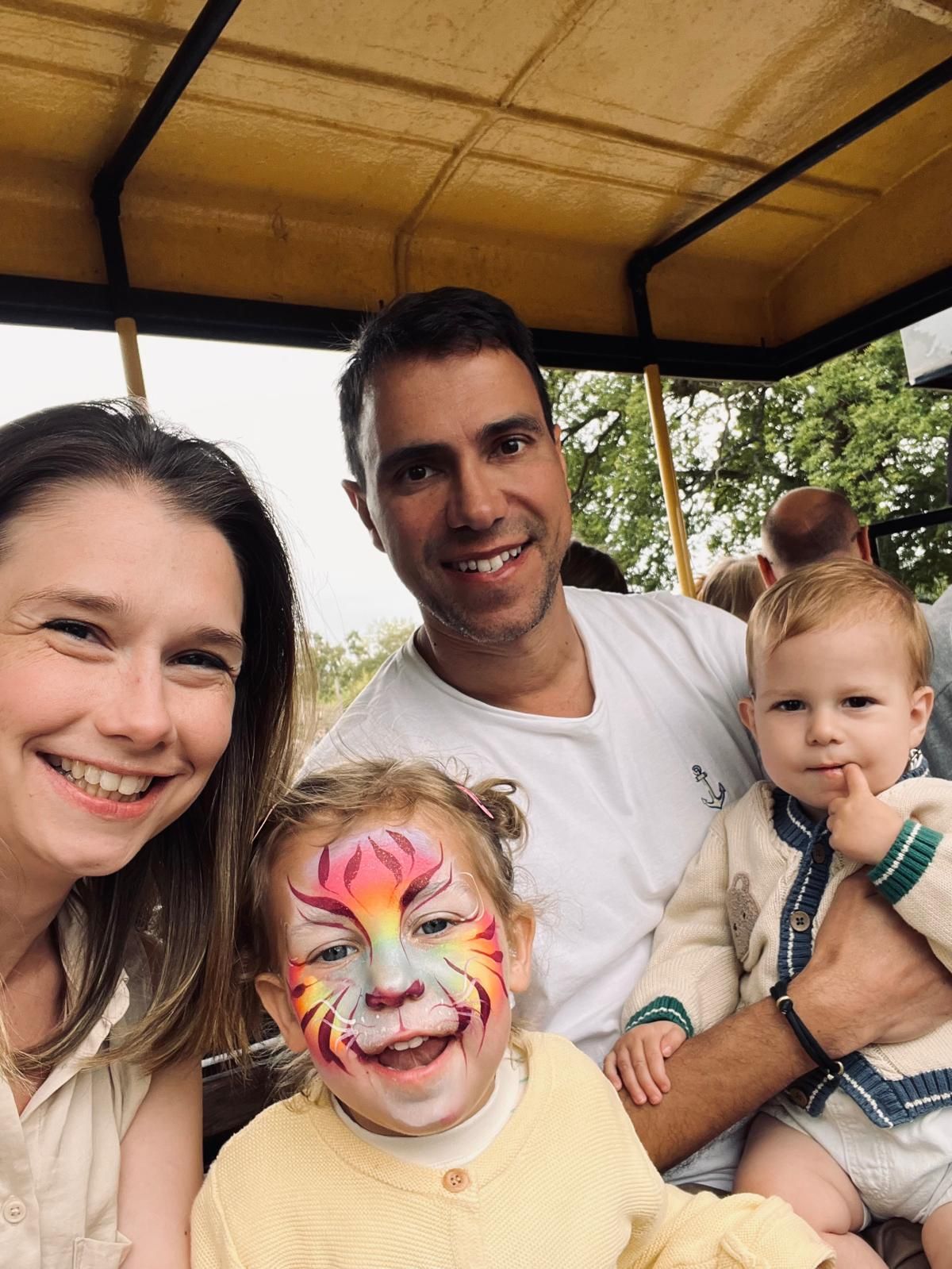
Rob, Buffy, Clara and Sam together on a tractor ride, Clara in tiger face paint.
Rob, Buffy, Clara and Sam

A window of opportunity

We began an intensive effort to understand the research landscape.

Gene therapy is a treatment in which a faulty gene is replaced with a healthy copy. Around the world, researchers are exploring such approaches for NPC, and when Sam was diagnosed our families set out to understand all of them.

What we learned is both hopeful and sobering. Several approaches are being explored — but none has yet reached a human clinical trial for NPC.

The leading prospect

GHG-101: twelve years of work, ready for the next step.

We have been particularly encouraged by the NPC gene therapy work of Dr Michael Hughes, formerly of University College London. His approach is well understood and evidenced, and has had remarkable success in studies in mice.

How it works

A healthy copy, delivered

A modified harmless virus delivers a healthy copy of the NPC gene into cells throughout the body, including — crucially — the nervous system.

Precedent

Not an untested concept

Related gene therapies are already approved and transformational. Zolgensma uses a similar approach for a rare neuromuscular disorder, and children who previously died around age two now survive and thrive.

The team

GHG Therapeutics

Michael has joined forces with two further experts in NPC drug development and gene therapy. Together they bring significant experience in taking advanced therapeutic programmes towards the clinic.

Based on our extensive research and the opinions of leading medical experts, we believe this programme to be the most advanced and low-risk prospect globally for getting a safe and effective NPC gene therapy to the clinic.Rob and Buffy

A clear pathway to a human trial

This is the funding gap we are trying to close.

With adequate funding, a first-in-human clinical trial within 18 to 24 months could be made a reality. Several funding commitments are already in place.

£2.2m Year one

To complete the next critical stage of development: confirming previous findings using clinical-grade material in an independent laboratory.

£5.2m Then required

To take the programme to the point where the first NPC patient could receive the gene therapy, approximately a year later.

18–24 Months to trial

The GHG team's defined pathway to a first-in-human clinical trial — the watershed for a treatment to become available to Sam and everyone who needs it.

We are looking for high net-worth individuals, foundations, investors and funding organisations. The team is open to different forms of support, including philanthropic donations and / or direct investment. Without this funding, a potentially curative treatment cannot move forward at the pace children like Sam desperately need.

Discuss funding

Help to save Sam

We've said since the day he was born that he has a lot of sunshine in him. Today, that sunshine burns brightly. Please, help us to make sure our sun has a long time to shine.

Sam is a kind, happy, cheeky two-year-old with a passion for elephants and tractors.

  • We have been given an extraordinary early warning.
  • We now have an extraordinary opportunity.
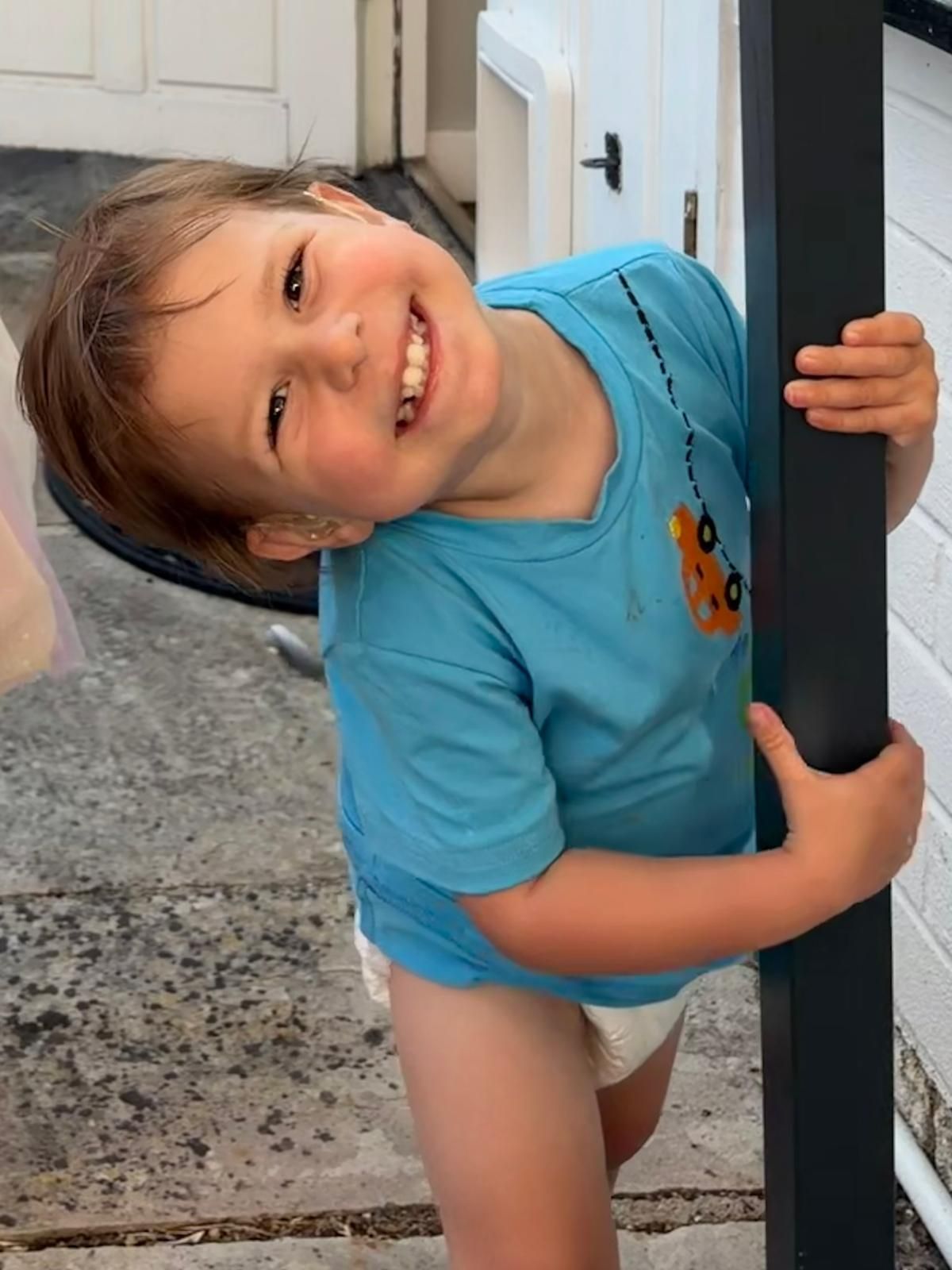
Sam grinning, head tilted, holding onto a doorframe outside the house.

Get in touch

If you or your organisation might be able to help, we would love to talk.

Contact Rob for an initial conversation. We can then share technical details of GHG's approach and funding requirements, and connect you directly with the GHG team.

HelpToSaveSam@gmail.com

If you cannot help financially yourself, please consider forwarding this appeal to someone who might.